
38 Dogs, Six Horses and What We Found After Fernwood
The May 29 Fernwood rescue removed 38 living dogs and involved six horses, but the full scope only emerged over months of veterinary care, recovery and rehabilitation.
Download PDF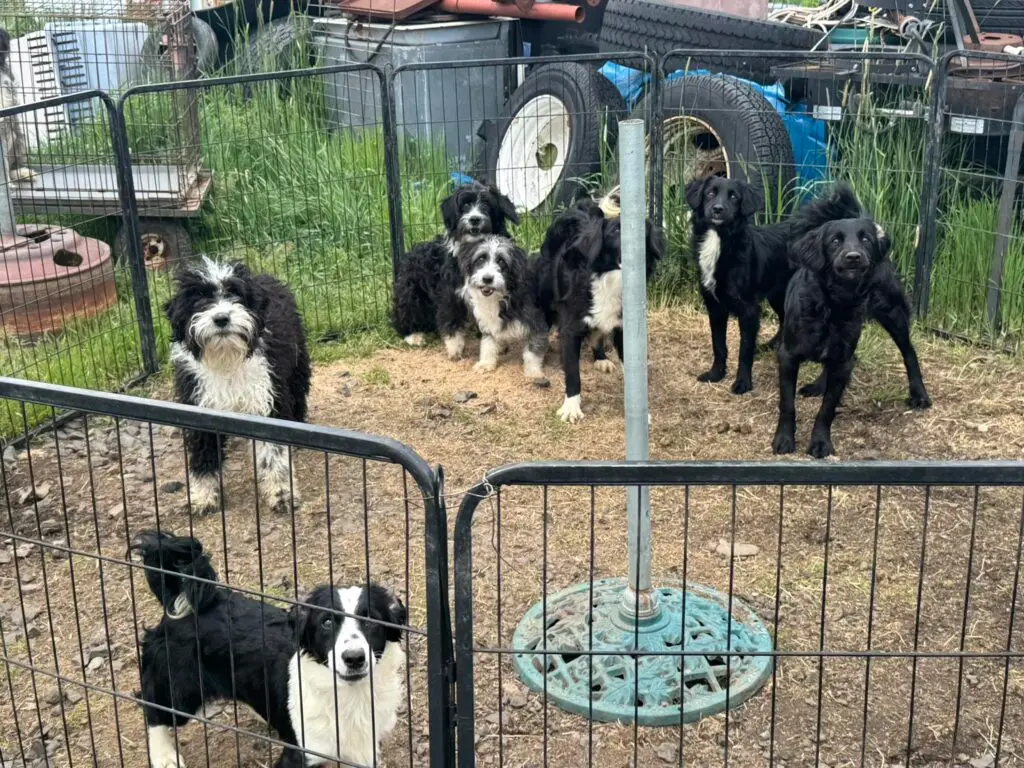
On May 29, 2026, Idaho Animal Rescue Network joined a large-scale animal rescue operation at a rural property near Fernwood, Idaho. By the end of the day, 38 living dogs had been removed from the property, six horses needed intervention, and more than ten deceased dogs had been found. One young mare would also have to be humanely euthanized after veterinary professionals discovered the extent of an untreated injury she had been living with for more than a year.
Those numbers convey the size of the response, but they do not fully capture what rescuers encountered that day or what we would discover in the months that followed. The property had been used for breeding dogs, primarily doodle mixes, and many of the surviving animals were underweight and heavily matted. Some needed immediate veterinary attention, while others needed grooming simply so their physical condition could be properly evaluated. All of them needed somewhere safe to go.
The presence of more than ten deceased dogs made the reality of the situation impossible to ignore. While teams worked to assess and remove the animals who were still alive, we were surrounded by evidence that others had not survived long enough for help to reach them.
A rescue involving this many animals cannot be handled by one organization. Veterinary professionals and rescue organizations came together from across Idaho and Washington, with Washington State University’s College of Veterinary Medicine providing veterinary assessment and treatment on site. At the same time, rescue personnel and volunteers worked through the enormous logistical challenge of safely handling, documenting and preparing dozens of animals for transport.
Every dog had to be treated as an individual. Their medical histories were largely unknown, vaccination records could not simply be assumed, temperaments had to be assessed as we worked, and safe transportation had to be coordinated with the organizations accepting them. Some animals would travel for hours before reaching the place where the next phase of their recovery would begin.
By the time vehicles began leaving Fernwood, an extraordinary amount of work had already been done. What we did not yet understand was how much work was still ahead.
What We Found on May 29
Large-scale rescue can look deceptively simple when it is condensed into photographs or a short social media update. Animals are discovered in poor conditions, rescuers arrive, and several hours later photographs show them leaving. The part between those moments is much more complicated.
At Fernwood, many of the dogs were heavily matted, and those coats made it difficult to immediately appreciate how thin some of their bodies were underneath. Grooming was not about making the dogs look better for photographs. Removing those coats was necessary for their comfort, hygiene and proper physical assessment.
Veterinary professionals examined dogs while rescue personnel continued working through the property. Animals needed vaccines, basic medical care and documentation before they could be divided among the organizations that had agreed to take responsibility for them. Every animal leaving the property represented another set of decisions about transportation, quarantine, foster placement and follow-up care.
At the same time, responders were confronting the dogs who had already died. More than ten deceased dogs were found on the property, a reality that weighed heavily on a rescue operation already involving dozens of living animals in need of help. There was little time to process it in the moment. The animals who were still alive needed us to keep working, so that is what everyone did.
By the end of the response, 38 living dogs were headed toward rescue organizations and foster homes. The scene itself was winding down, but for those animals, May 29 represented only the first day of what would become months of work.
Thirty-Eight Different Stories
It is easy to talk about the Fernwood dogs collectively because the number itself is striking, but 38 dogs did not arrive in rescue with one set of needs. They were 38 individual animals whose medical conditions, personalities and histories would have to be understood over time.
For the dogs who came into IARN’s care, numbers quickly became names: Autumn, Sunny, Atlas, Ebony, Beau, also known as Bobo, Noodle, Pepe and others whose personalities began emerging as they settled into foster homes. Some needed significant weight gain and extensive grooming, while others appeared at first to be relatively healthy puppies who simply needed routine veterinary care and an opportunity to grow up somewhere safe.
As the weeks passed, however, veterinary examinations and foster observations began revealing problems that had not been obvious on the property. Dogs from the case were found with heart problems, parrot mouth, kidney issues, significant allergies and other medical concerns that required additional diagnostics, treatment or monitoring.
Those discoveries became particularly significant because this had been a breeding operation. Puppies were being produced for sale, and many of the conditions we were uncovering were not things a prospective buyer could have identified by looking at an adorable puppy.
A fluffy coat and playful personality do not tell someone what is happening inside a dog’s heart or kidneys. They do not reveal every congenital abnormality, inherited condition or health problem that may surface as the puppy grows. Without appropriate health testing, veterinary oversight and responsible breeding practices, those problems can simply travel home with the puppy and become someone else’s devastating discovery later.
Pepe became one of the clearest examples of that.
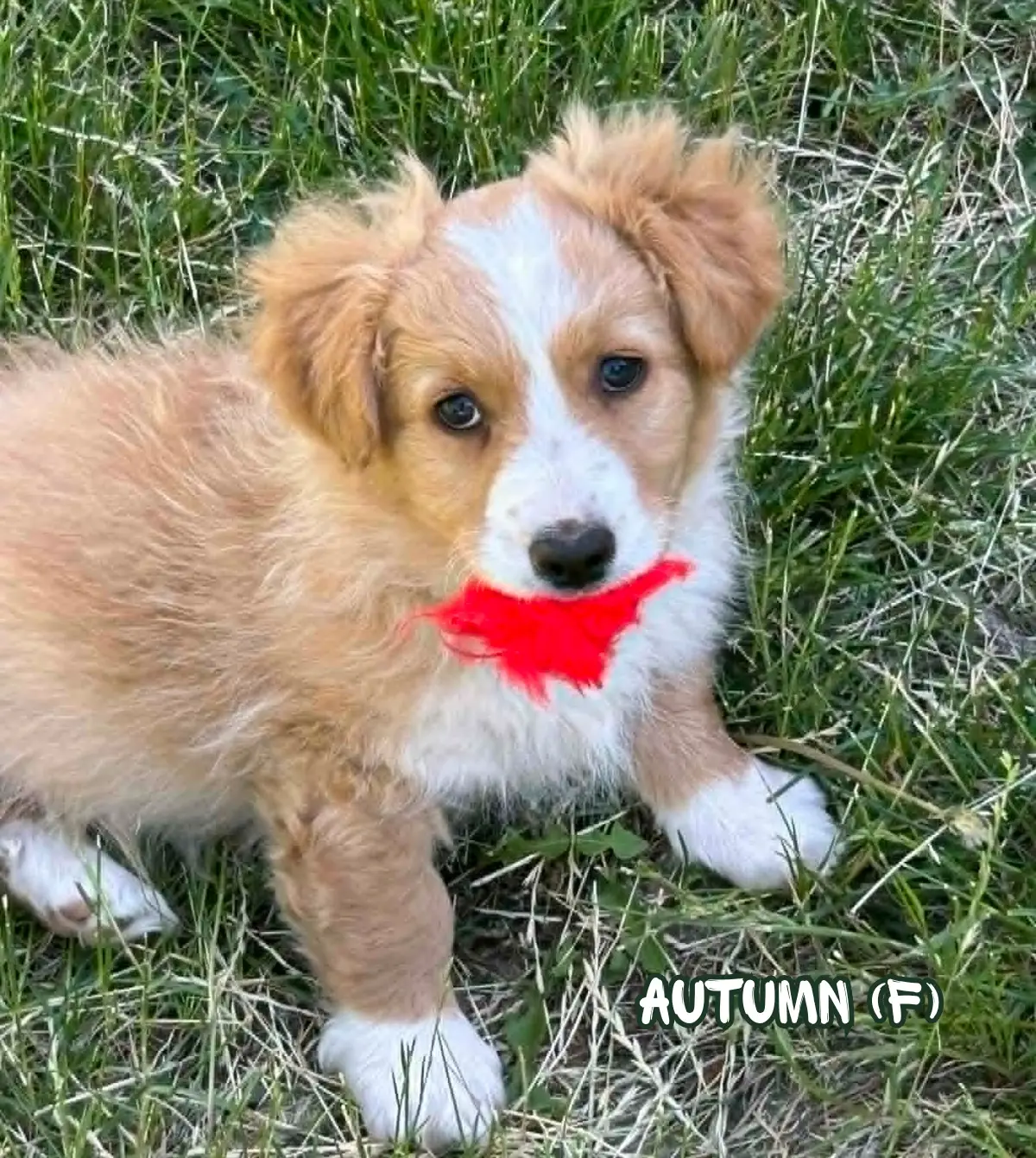
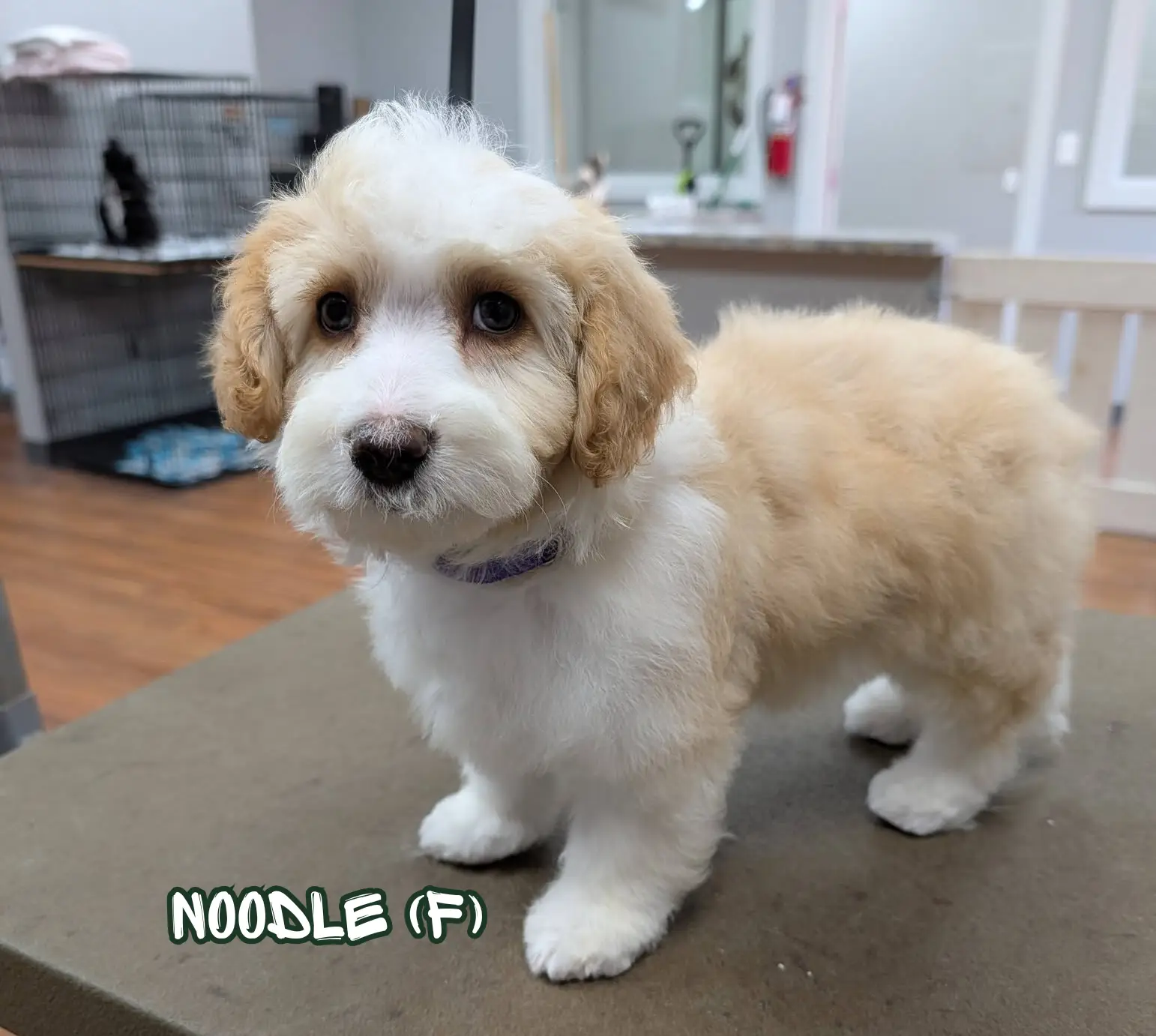

For IARN, the number 38 quickly became individual dogs with names, personalities and their own paths through recovery.
Pepe’s Heart
Pepe looked like exactly the kind of puppy someone would have fallen in love with immediately. He was fluffy, playful and outgoing, and nothing about his appearance suggested that a potentially life-threatening problem was hiding inside his chest.
Veterinary care after the rescue revealed a significant heart problem, and further evaluation determined that Pepe had a patent ductus arteriosus, commonly known as a PDA. The congenital defect occurs when a blood vessel that normally closes shortly after birth remains open, creating abnormal blood flow and placing additional strain on the heart. Without treatment, the condition can eventually lead to heart failure.
Pepe had been born with it.
His diagnosis meant that his recovery from Fernwood was going to involve much more than vaccinations, good nutrition and a foster home. He needed specialty cardiac care, and on August 26 he underwent a procedure at Washington State University’s Veterinary Teaching Hospital to repair the defect.
The procedure was successful, giving Pepe the opportunity to live the normal life that had been uncertain only weeks earlier. His outcome was wonderful, but his diagnosis also forced us to consider what could easily have happened had his life taken a slightly different path.
Had Pepe been sold before his heart defect was discovered, there may have been nothing obvious to warn the family buying him. They could have taken home a seemingly healthy, happy puppy and learned at a routine veterinary appointment that he had a significant heart murmur. That discovery could have led them down the same path of diagnostic testing, specialty consultations and ultimately cardiac treatment, all for a congenital condition that had been present from birth. By then, the breeding dogs responsible for producing that puppy could have been bred again.
That is an important part of the Fernwood story because Pepe was not the only dog whose medical needs became apparent after rescue. Kidney problems, parrot mouth, significant allergies and other concerns emerged as dogs received comprehensive veterinary care and spent enough time in foster homes for subtle symptoms to be noticed.
Responsible breeding requires far more than producing puppies that people want to buy. It requires understanding the health and genetics of the animals being bred, completing appropriate screening, providing veterinary care and accepting responsibility for the lives produced. The fact that a puppy looks healthy at eight or ten weeks old does not mean that puppy is healthy.
Pepe happened to get the opportunity for his problem to be discovered and treated. Once his heart was repaired, the challenge became keeping a puppy who felt perfectly fine quiet long enough to heal. His foster photographs began showing a very different side of the Fernwood story: Pepe stretched across a bed, surrounded by toys, hanging out with another dog and eventually sporting a haircut that made him nearly unrecognizable from the fluffy puppy who had first entered care.
Those pictures are meaningful precisely because there is nothing dramatic about them. They show a puppy doing ordinary things after a beginning that had been anything but ordinary.
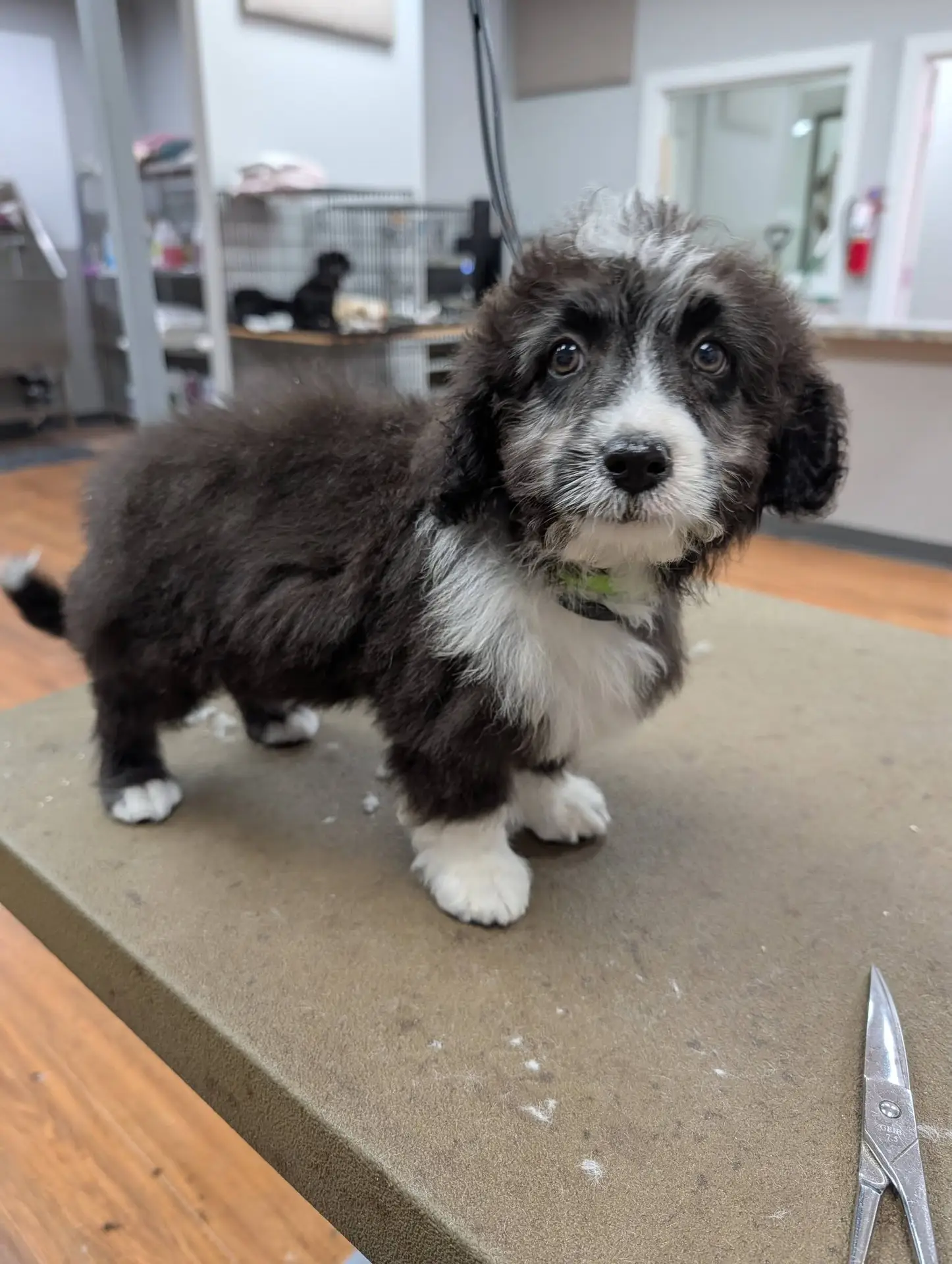
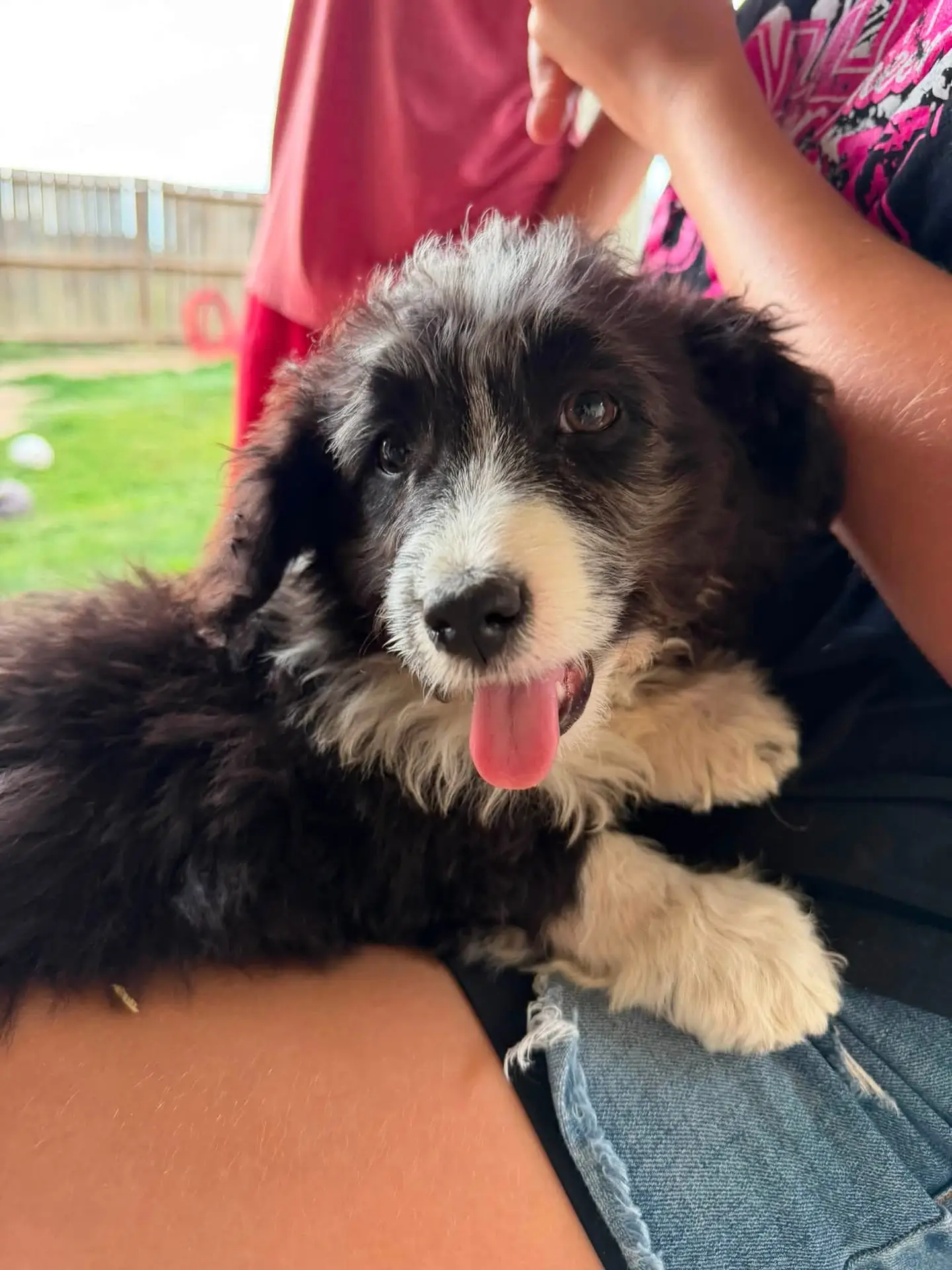
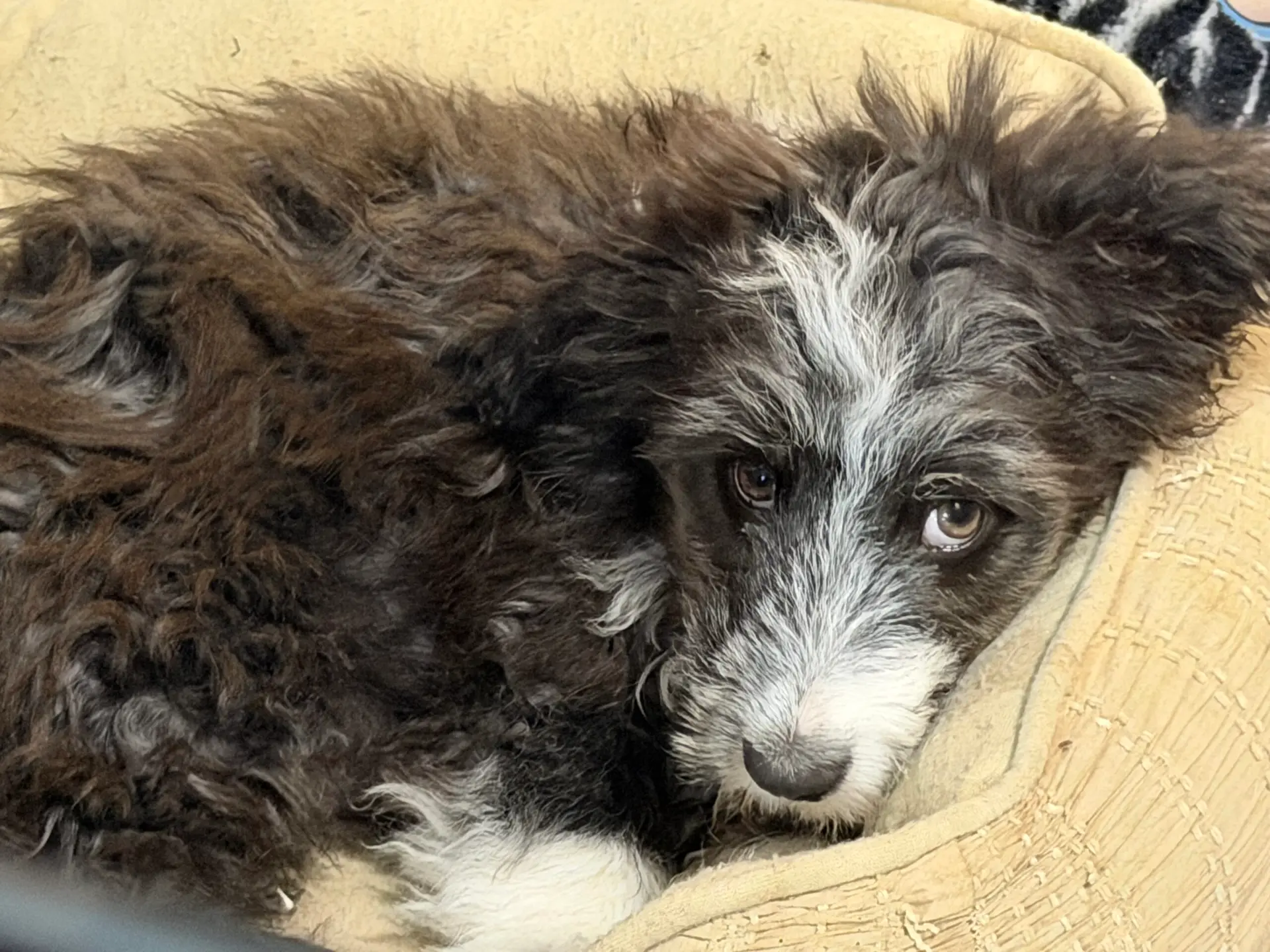
Pepe’s journey continued long after rescue day, from diagnosis and cardiac treatment to the wonderfully ordinary life of a puppy in a home.
The Horses Were Part of the Story, Too
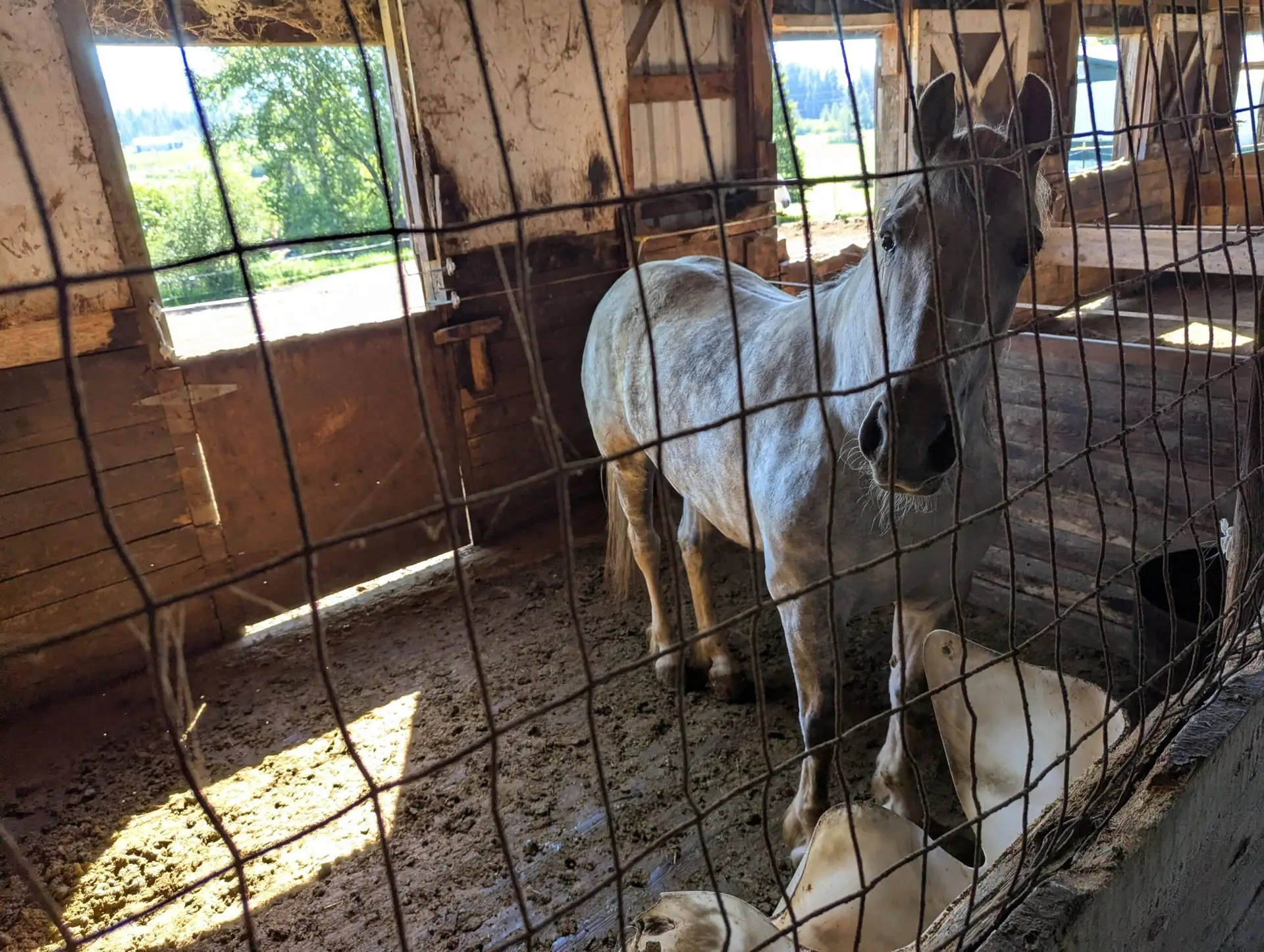
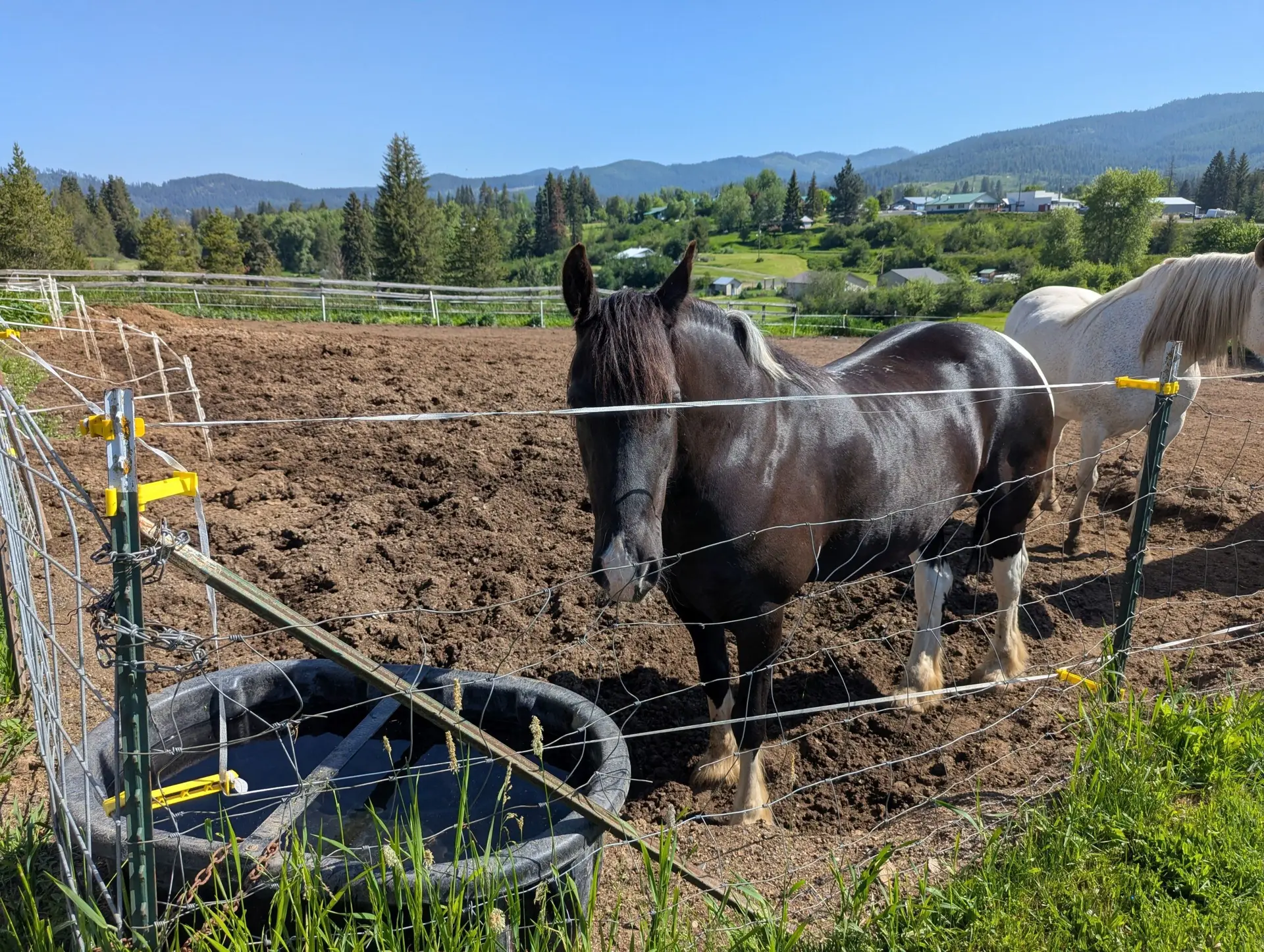
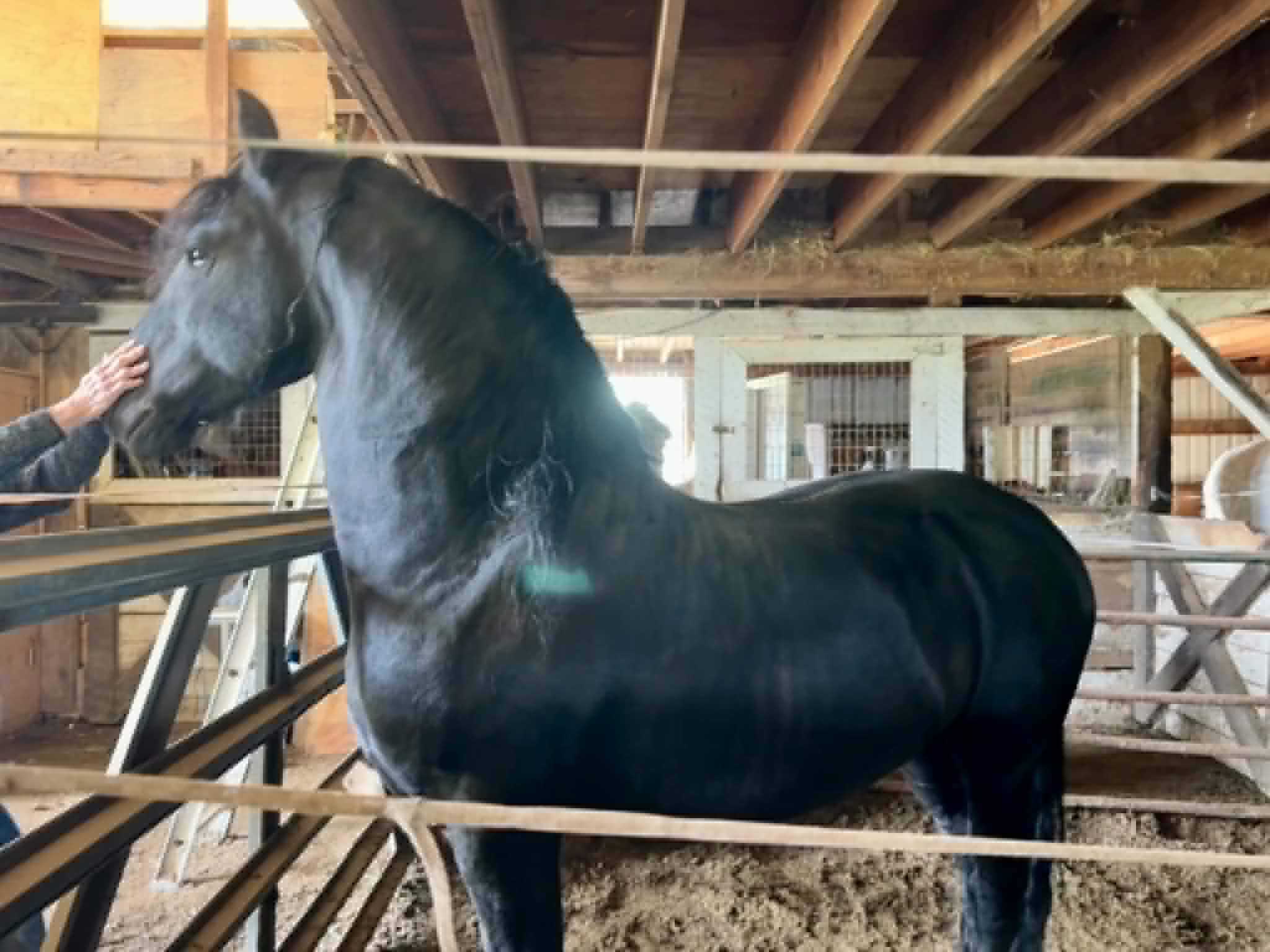
Six horses were also part of the Fernwood response.
The dogs received much of the public attention after the Fernwood rescue, but they were not the only animals suffering on the property. Six horses were also involved, and one young mare was in particularly devastating condition.
She had suffered an injury that left her unable to properly use one of her legs for more than a year, yet she had not received veterinary treatment for the injury during that time. When the veterinary team from Washington State University’s College of Veterinary Medicine arrived as part of the May 29 response, she finally received professional evaluation.
By then, the damage could not be undone. After more than a year of living with the injury, there was no treatment that could restore her to an acceptable quality of life, and the decision was made to humanely euthanize her.
Her age made the outcome especially difficult. This was not an elderly horse reaching the natural end of a long life. She was a young mare who had spent more than a year unable to properly use her leg while an untreated injury progressed beyond the point at which she could be saved.
Her death belongs in the larger story of Fernwood just as much as the recoveries do. More than ten dogs were already dead when responders arrived, and a young horse had lived with a debilitating injury without veterinary treatment until euthanasia became the only humane option remaining. Together, those realities make clear that this was not simply a situation involving too many animals or a breeding operation that had become difficult to manage. Animals had gone without basic care, including necessary veterinary treatment, for far too long.
What Happened After Everyone Left
The most visible part of a large rescue is often the shortest. May 29 involved hours of intense activity as animals were evaluated, groomed, vaccinated, documented and transported, but the work that followed would stretch across weeks and months.
Every dog still needed care the next morning. Foster families were suddenly responsible for animals whose personalities and medical histories they barely knew. Veterinary appointments continued, vaccinations had to be completed, dogs needed to be spayed or neutered, and nutritional and grooming needs had to be addressed.
Foster care also revealed things that a field examination could not. Living with an animal day after day allows someone to notice subtle changes: unusual drinking or urination, chronic itching, digestive problems, exercise intolerance, behavioral concerns or simply the sense that something is not quite right. Those observations often lead to additional veterinary appointments, diagnostic testing and, occasionally, diagnoses no one expected on the day of rescue.
That is one of the realities organizations accept when they agree to take animals from cases like Fernwood. We do not get to say yes only to the healthy ones, nor can we know in advance what every animal will cost or how long recovery will take. Taking responsibility for an animal means taking responsibility for whatever is discovered afterward.
For the Fernwood dogs, that included routine veterinary care and grooming, but it also included specialty treatment, diagnostics and longer-term medical needs. Pepe’s heart surgery was one example of an expense and responsibility that could never have been predicted simply by looking at him on May 29.
The same was true for every foster home that opened its door. Fosters weren’t simply giving the dogs somewhere to sleep. They were helping us learn who these animals were, identifying problems, teaching routines, managing medical care and giving dogs time to recover before decisions were made about permanent homes.
As the weeks passed, the photographs changed. Thin bodies began filling out, coats grew back, puppies grew larger and dogs who had initially been overwhelmed began relaxing into household routines. Instead of documenting the conditions they had survived, we began taking pictures of them sleeping on couches, playing with toys and interacting with foster families. Those ordinary moments became some of the most important evidence of their recovery.
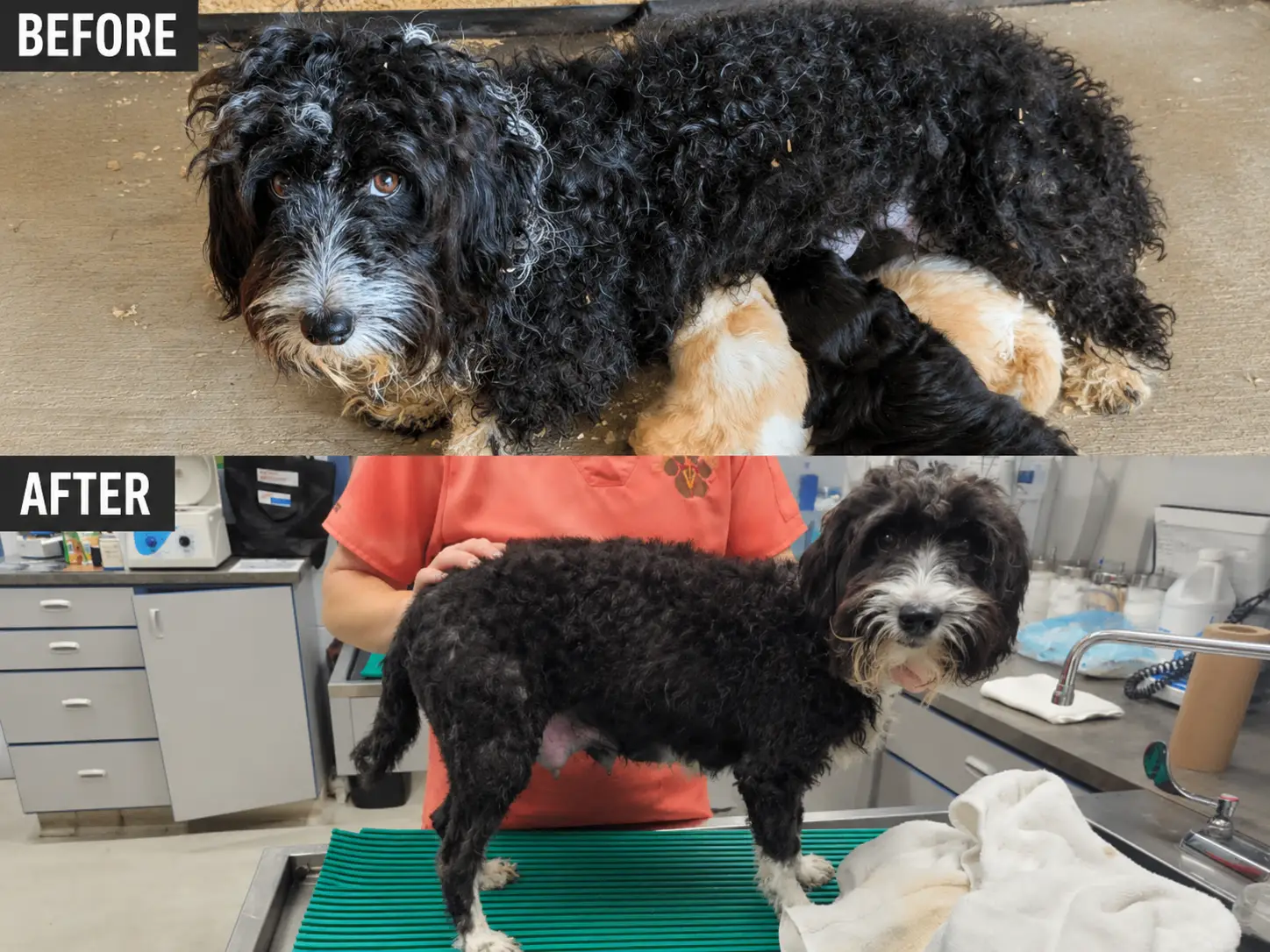
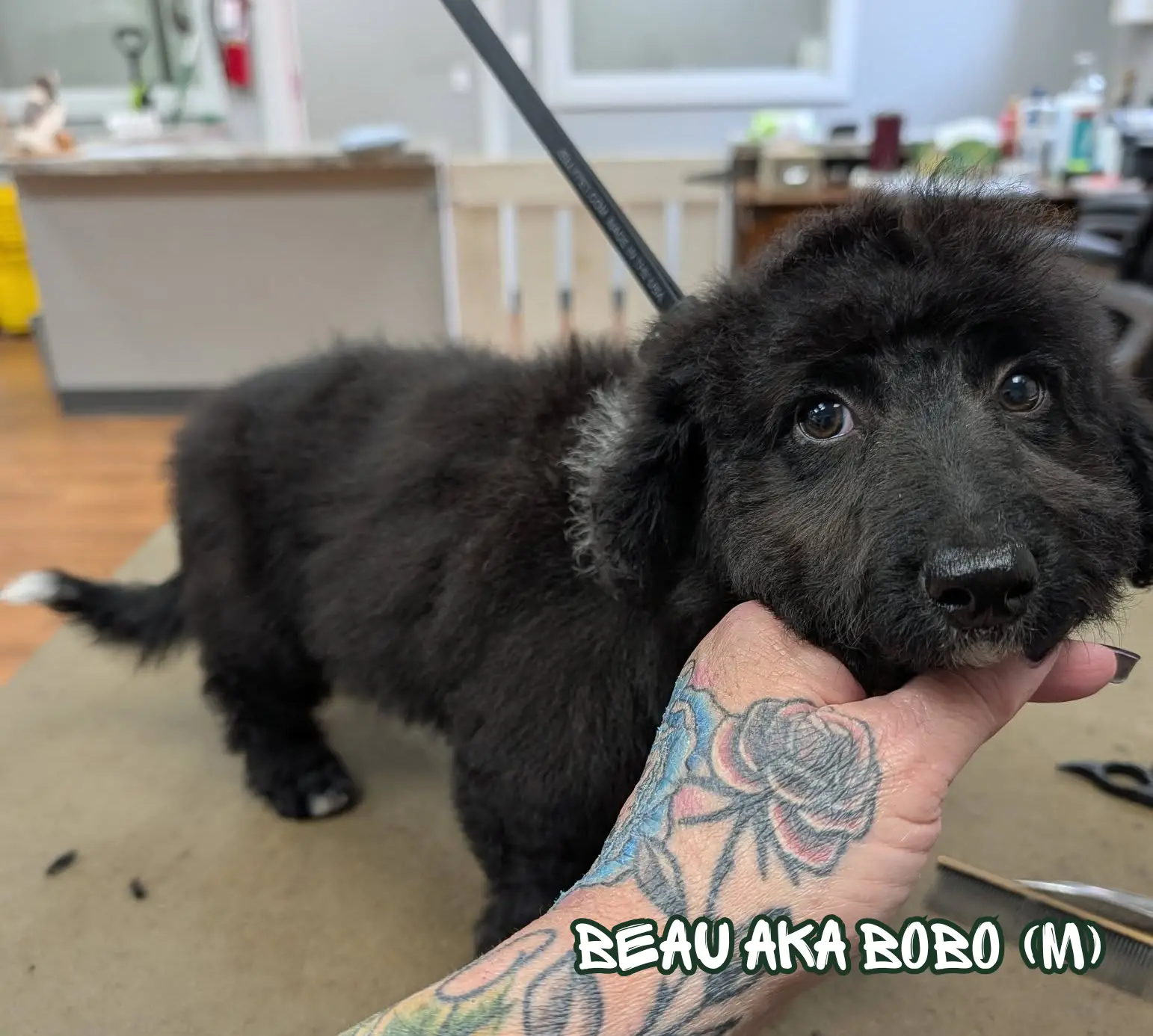
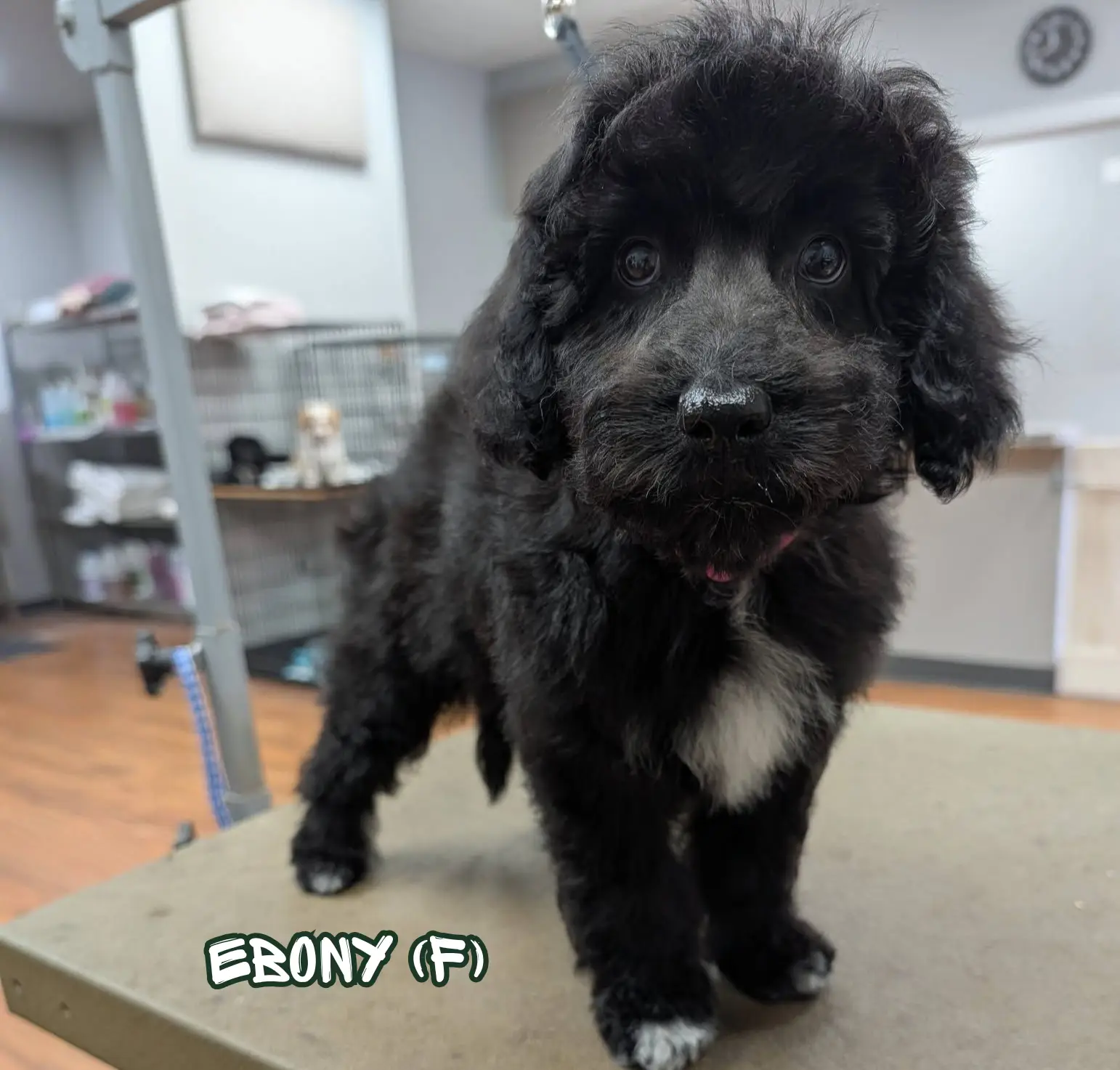
Recovery looked different for every dog, but over time the photographs began telling a very different story.
The Cost of Saying Yes
Large-scale rescue carries significant costs before anyone knows what the final bill will be. Transportation, fuel, crates, protective equipment, vaccines, medications, food, grooming supplies and veterinary examinations are immediate needs, while diagnostic testing, surgeries and specialty treatment may not appear until weeks or months later.
For an all-volunteer organization like Idaho Animal Rescue Network, there is no paid staff waiting to absorb that workload. Volunteers make the drives, coordinate appointments, transport animals, communicate with veterinary clinics, support foster homes and handle the countless smaller tasks that continue long after the public-facing rescue has ended.
Community support makes that work possible. Donors frequently help pay for animals they will never meet, and foster families accept animals without knowing whether they will be in their homes for a few weeks or several months. Veterinary professionals provide the expertise necessary to identify problems that rescuers cannot diagnose themselves, while partner organizations help distribute the enormous responsibility that comes with removing dozens of animals at once.
Fernwood required all of those pieces to work together. No single person and no single organization could have carried the entire response alone. That is what large-scale rescue actually looks like. It is not one dramatic day followed by a happy ending. It is a network of people continuing to fulfill the promise made when an animal is removed from a bad situation: that whatever happens next, we will keep showing up.
What Fernwood Left With Us
It would be easy to tell this story entirely through before-and-after photographs. The dogs were removed from terrible conditions, their coats were groomed, their bodies became healthier, medical problems were treated and they began moving forward. That version would be uplifting, but incomplete.
Some of these animals should never have needed rescue in the first place.
Breeding animals creates responsibilities that extend far beyond producing puppies and finding people willing to buy them. Appropriate veterinary care, health screening, knowledge of genetics and inherited disease, sanitation, nutrition and the ability to provide lifelong care are not optional simply because puppies can be sold without them.
The Fernwood case showed what can happen when those responsibilities fail on multiple levels. The consequences were visible in the severely underweight dogs and neglected coats responders encountered on May 29, but they were also present in medical problems that would not be discovered until later. They were inside Pepe’s heart, in the health problems identified in other dogs from the property, and in a young mare who had lived with a serious untreated injury for more than a year.
Most painfully, those consequences were represented by the more than ten dogs who were already dead before anyone arrived to rescue them. They are part of this story too.
Months after Fernwood, the photographs look very different. There are dogs stretched comfortably across furniture, puppies who have grown almost beyond recognition and foster families who have watched frightened or uncomfortable animals discover what normal life feels like. Pepe’s photographs now show a goofy young dog enjoying the future that cardiac surgery helped make possible.
Those images do not erase the photographs from May 29, and they should not. Together, they show the full scope of rescue: what happens before help arrives, what it takes to remove animals from a difficult situation and how much work remains after the last rescue vehicle leaves.
For the 38 dogs who survived Fernwood, May 29, 2026 was not the day their rescue was completed. It was the day we finally had the opportunity to begin it.
And for the animals we reached too late, telling their story is part of making sure they are not forgotten.